Sauna culture
Finnish sauna vs banya vs hammam: what's the difference?
October 31, 2026 · 6 min read
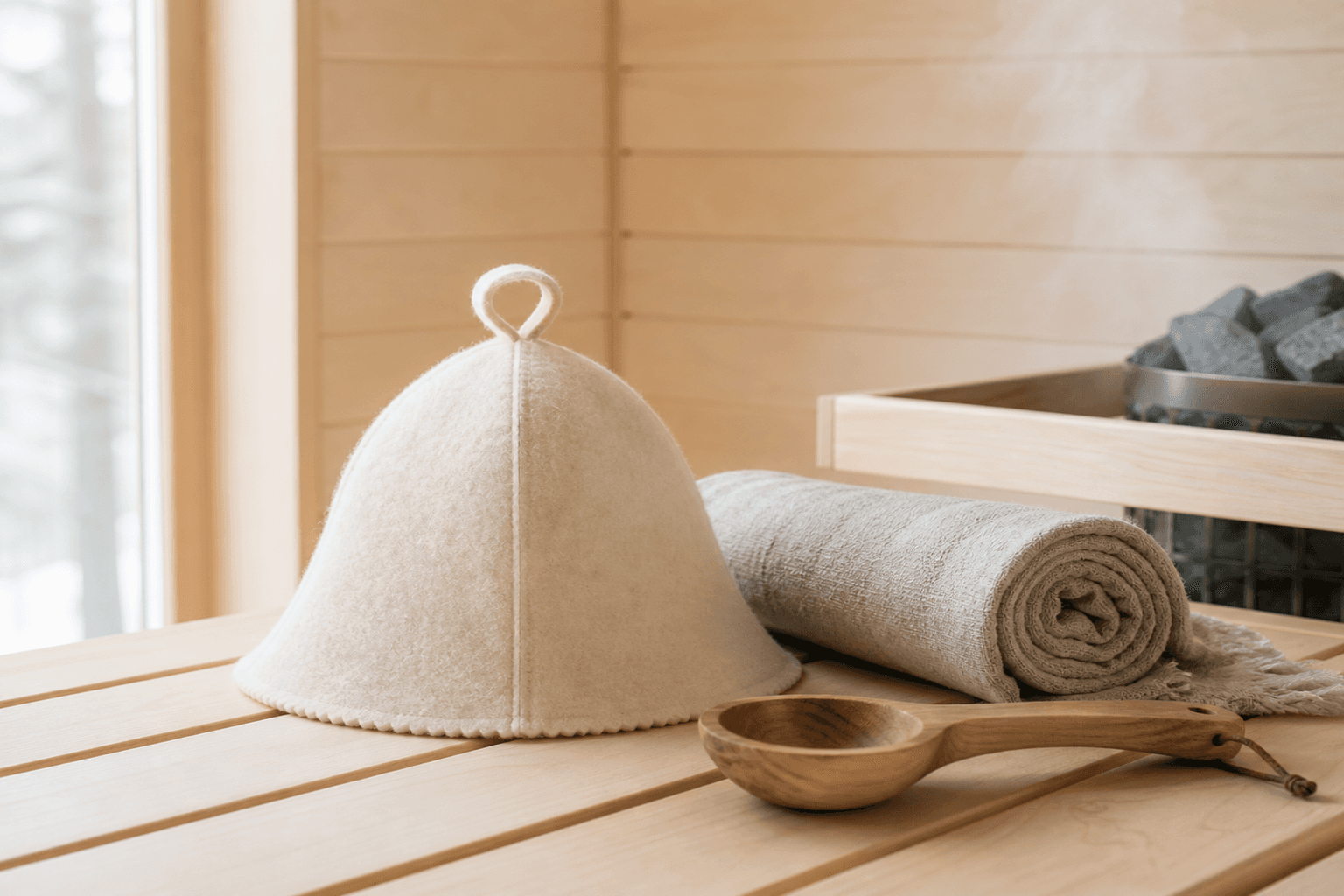
Ask three people what a 'sauna' is and you might get three different rooms. A wooden Finnish cabin by a lake, a steamy Russian banya with birch leaves on the floor, a domed marble hammam echoing with water — all hot, all ancient, all wonderful, and genuinely different in how they feel and what you do inside them. Here's how they compare.
Heat and humidity at a glance
The biggest difference is the balance of heat and moisture. Roughly:
- Finnish sauna — about 70–100°C, most often 80–90°C (176–194°F). Fairly dry air, lifted by bursts of steam when water hits the stones.
- Russian banya — roughly 60–90°C, with far more steam. Humid, enveloping heat, built to be worked with a whisk.
- Hammam — around 40–50°C (104–122°F), with humidity close to 100%. Warm, wet, and slow rather than fiercely hot.
The Finnish sauna: löyly and quiet
In a Finnish sauna, the heat comes from the kiuas — a stove topped with stones. Ladle water onto them and a wave of steam rolls up through the room: that's löyly, the word Finns use for the sauna's living heat. The ritual is simple and unhurried: heat, cool down outside or in a lake, rest, repeat. Finnish sauna culture is on UNESCO's intangible cultural heritage list, and it shows in how ordinary it is there — a weekly habit, not a spa treat.
Etiquette is mostly quiet courtesy: shower first, sit on a towel, ask before adding water. Single-sex saunas are often enjoyed nude; mixed and public ones usually mean swimwear. Our first-timer's etiquette guide has the details, and this short glossary covers the words.
The Russian banya: steam and the venik
The banya runs a little cooler than a Finnish sauna but much wetter, and its signature is the venik — a bundle of leafy birch (or sometimes oak) branches, soaked and then used to whisk, press, and fan heat over the body. In many banyas a steam master, the parilshchik, does this for you, in a session that's part massage, part ceremony. (Finns have their own version, the vihta or vasta.)
A banya visit is social and long: rounds in the steam room, a cold plunge or bucket of icy water, and plenty of tea and conversation in the rest room between. Single-sex sessions are common, usually with a sheet or towel. And this is the tradition most famous for its felt hats — banya-goers have worn them for generations to keep their heads comfortable in the steam.
The hammam: warmth, water, and the scrub
The hammam — found across Turkey, North Africa, and the Middle East — is less about intense heat and more about washing, warmth, and time. You move through rooms of increasing warmth, often resting on a heated marble platform, until your skin is soft from the steam. Then comes the centerpiece: a vigorous full-body scrub with a coarse mitt (a kese in Turkish hammams), often followed by a cloud of soap foam and a rinse.
Hammam etiquette leans modest. You'll usually wrap yourself in a thin cotton cloth — a peştemal in Turkey — and keep it on, and many hammams are separated by gender or by session. Voices stay soft, and the pace is slow.
Where a sauna hat fits in each
Here's the honest answer, tradition by tradition:
- Finnish sauna — a natural fit. The air at head height is the hottest and driest in the room, and a wool hat keeps a pocket of cooler air around your scalp and ears so you can enjoy another round of löyly. (The physics is here.)
- Banya — the hat's ancestral home. Felt hats are part of the banya tradition, and a thick wool one feels right at home among the steam and the venik.
- Hammam — not really. The heat is gentle enough that hats aren't part of the tradition, and the ritual involves soaking, washing, and scrubbing — including your hair. Leave the hat in your bag here.
Which one should you try?
If you love clean, dry, intense heat and a quiet room, the Finnish sauna is your place. If you like steam, company, and a little theatre, try a banya and say yes to the venik. If you want something slower and gentler that leaves your skin feeling new, book a hammam. Honestly? Try all three. Each one teaches you something about the others — and two of them go very nicely with a good wool hat.
Common questions
What is the difference between a sauna and a banya?
Is a hammam the same as a steam room?
What is a venik?
Do you wear a hat in a banya?
Ready for a cooler head?
Meet the hats